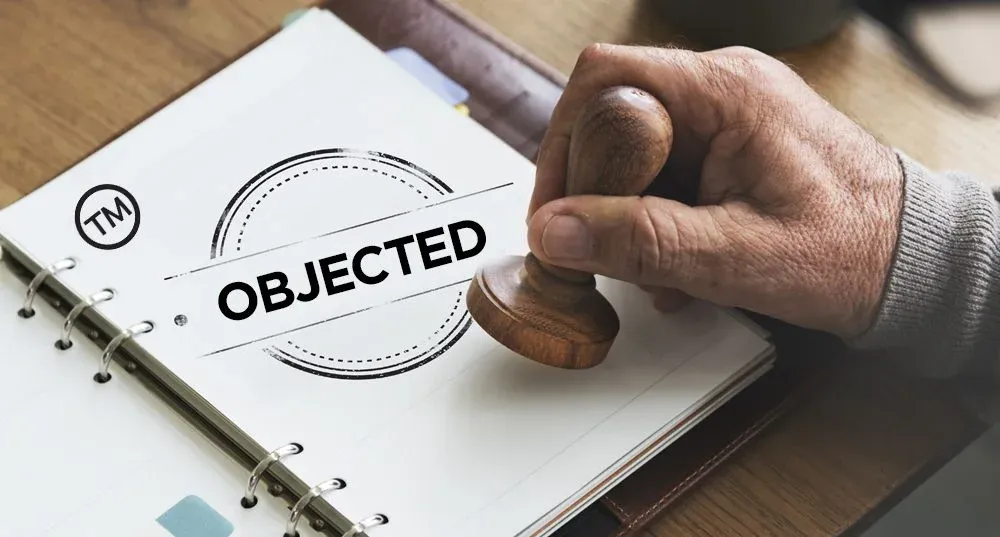
Trademark objection in India is a common issue faced during the trademark registration process. When you apply for a trademark, the application Learn More...
Introduction
Trademark objection in India is a common issue faced during the trademark registration process. When you apply for a trademark, the application is examined by the Controller General of Patents, Designs & Trade Marks. If the examiner finds any issues, an objection is raised under the Trade Marks Act, 1999.
Many applicants panic when they receive an objection notice, but it does not mean rejection. It simply means clarification or justification is required.
Trademark objections usually arise due to similarity with existing marks, lack of uniqueness, or incorrect documentation. Understanding the reasons and responding correctly is crucial to avoid rejection.
In this blog, we will explain trademark objections, their reasons, the role of authority, and how to respond effectively.
Common Reasons for Trademark Objection
(trademark objection reasons India)
Trademark objections are generally raised during the examination stage.
One of the most common reasons is similarity with existing trademarks, which may create confusion among consumers.
Another reason is lack of distinctiveness, meaning the trademark is too generic or descriptive.
Objections can also arise due to incorrect classification, incomplete documents, or misleading information.
Sometimes, trademarks containing prohibited words or symbols may also face objections.
You can track your application status on the IP India Trademark Portal.
What is Trademark Objection and How to Reply?
(People Also Ask question)
This is one of the most searched queries on Google.
A trademark objection is a query raised by the examiner asking for clarification or correction.
Key Points to Understand:
- It is not a rejection
- You get a chance to respond
- Reply must be filed within 30 days
What Should Be Included in Reply:
- Proper justification of trademark uniqueness
- Supporting documents and proof of usage
- Legal arguments addressing objections
- Case laws (if applicable)
👉 A strong reply increases chances of approval.
How to Handle Trademark Objection (Step-by-Step Process)
Follow this practical checklist:
Step 1: Check Examination Report
Download and review objection details.
Step 2: Analyze Objection
Understand the reason (Section 9 or Section 11).
Step 3: Prepare Reply
Draft a proper legal response.
Step 4: Attach Documents
Include proof of usage, logo, or brand details.
Step 5: File Reply Online
Submit through trademark portal.
Step 6: Attend Hearing (if required)
Appear before authority for clarification.
👉 Timely and professional response is key to approval.
FAQ Section
What is trademark objection?
It is a query raised by the examiner during trademark registration.
Is trademark objection rejection?
No, it is an opportunity to clarify and proceed.
How long do I have to reply?
Usually 30 days from the date of objection.
What happens if I don’t reply?
Your application may be abandoned.
Can objection be resolved?
Yes, with proper reply and documentation.
SEO Keywords Used
trademark objection India, trademark objection reply, trademark objection process, trademark registration India, trademark law India, trademark objection reasons, trademark reply online, IP India trademark, trademark application status, trademark objection section 9, trademark objection section 11, trademark hearing India, trademark legal process, trademark approval India, brand registration India
📞 CTA
Resolve your trademark objection without stress!
👉 CertifyKaro se contact karo for trademark objection reply & support
📲 Call/WhatsApp: +91 70422 52542
✔ Expert Legal Support
✔ Fast Response
✔ End-to-End Assistance
#TrademarkObjection #TrademarkIndia #IPRIndia #BrandProtection #StartupIndia #BusinessIndia #LegalCompliance #EntrepreneurIndia #TrademarkLaw #IPIndia