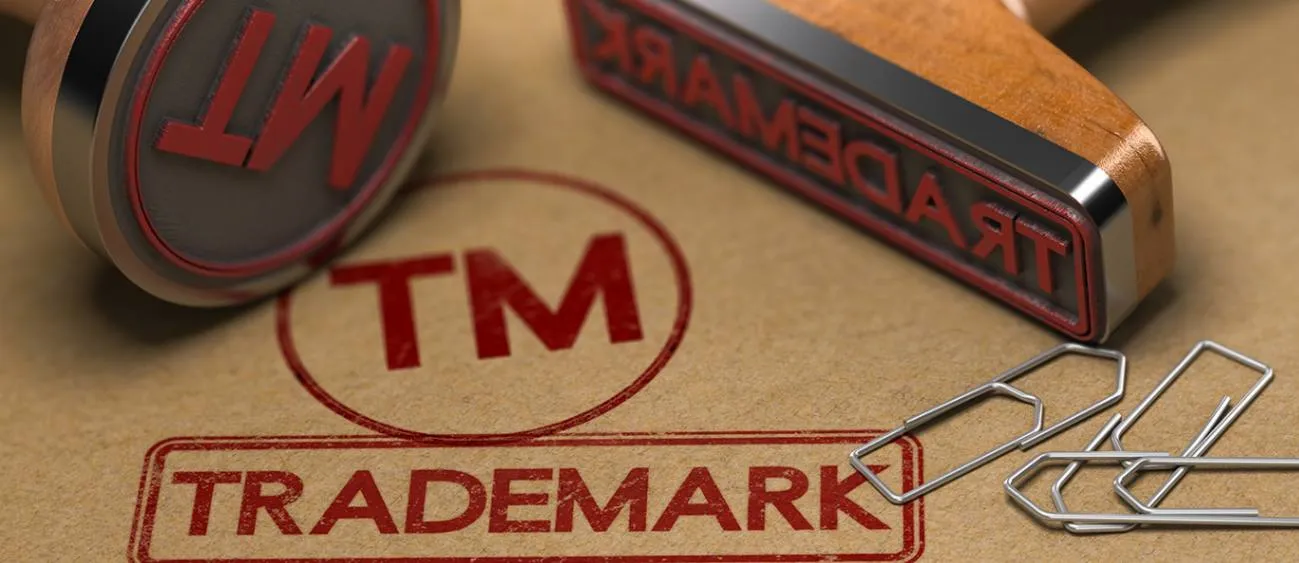
In today’s competitive market, your brand is one of your most valuable assets. A trademark (TM) helps protect your brand identity Learn More.....
Trademark (TM) Registration & Renewal: A Complete Guide for Businesses
In today’s competitive market, your brand is one of your most valuable assets. A trademark (TM) helps protect your brand identity-such as your name, logo, slogan, or symbol-from misuse or imitation. However, registering a trademark is only the first step. Timely renewal is equally important to maintain exclusive rights.
This blog explains Trademark Registration and Renewal, their importance, process, and key timelines.
What Is a Trademark?
A trademark is a distinctive sign that identifies and differentiates the goods or services of one business from others. It can include:
- Brand name
- Logo or symbol
- Tagline or slogan
- Shape of goods or packaging
- Sound or color combinations (in some jurisdictions)
Once registered, a trademark grants the owner exclusive legal rights to use it.
Importance of Trademark Registration
Trademark registration offers several benefits:
- Legal Protection: Prevents others from using a similar mark
- Brand Recognition: Builds trust and credibility
- Exclusive Rights: Nationwide protection (depending on jurisdiction)
- Asset Creation: A trademark is an intangible business asset
- Legal Remedies: Enables action against infringement
Without registration, enforcing your brand rights can be difficult.
Trademark Registration Process (Overview)
While the process may vary by country, the general steps include:
1. Trademark Search
A search is conducted to ensure the proposed trademark is unique and not already registered or applied for.
2. Filing the Application
The application is filed with the trademark authority, including details such as:
- Applicant name
- Trademark representation
- Class of goods/services
- Date of first use (if applicable)
3. Examination
The authority examines the application for compliance and potential conflicts.
4. Publication
If accepted, the trademark is published in an official journal to allow public objections.
5. Registration
If no opposition is filed (or objections are resolved), the trademark is registered and a certificate is issued.
Validity of a Trademark
A registered trademark is typically valid for 10 years from the date of registration (or filing, depending on jurisdiction).
Trademark Renewal: Why It Matters
Trademark protection is not permanent unless renewed. Failure to renew can lead to:
- Loss of exclusive rights
- Removal from the trademark register
- Risk of others registering a similar mark
Renewal ensures continuous legal protection of your brand.
Trademark Renewal Process
When to Renew
A trademark can usually be renewed:
- Before expiry (often 6–12 months in advance)
- Within a grace period after expiry (with late fees)
Steps for Renewal
- File a trademark renewal application
- Pay the prescribed renewal fee
- Trademark authority verifies the request
- Renewal confirmation is issued
Once renewed, the trademark remains valid for another 10-year term.
Consequences of Not Renewing a Trademark
- Trademark becomes vulnerable to infringement
- Brand identity may be compromised
- Legal rights are lost
- Re-registration can be costly or impossible
Timely renewal is far more cost-effective than restoring a lapsed trademark.
Best Practices for Trademark Owners
- Keep track of renewal deadlines
- Use the trademark consistently
- Monitor for infringement
- Update ownership details if required
- Seek professional assistance for compliance
Conclusion
Trademark Registration and Renewal are essential for protecting your brand’s identity and long-term value. While registration secures your rights, renewal ensures those rights continue uninterrupted. Businesses should treat trademarks as strategic assets and manage them proactively.
If you want peace of mind and full legal protection, staying compliant with trademark registration and renewal requirements is non-negotiable.