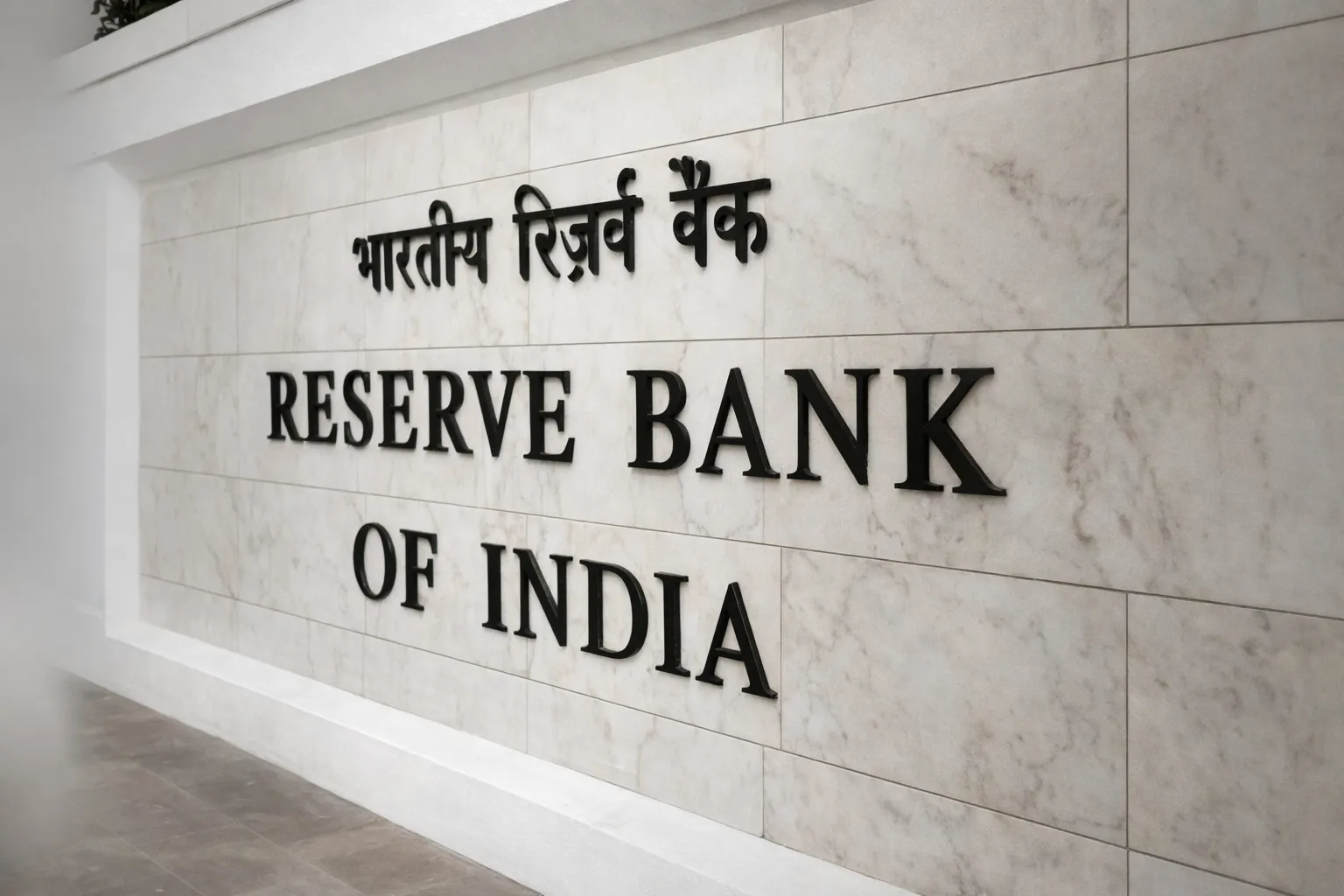
The regulatory landscape for India’s financial markets is evolving rapidly. One of the latest shifts gaining attention is the Reserve Bank of India’s (RBI) stance on allowing Learn More.....
RBI Policy: Can Bank Credit to REITs Burnish Their Allure?
The regulatory landscape for India’s financial markets is evolving rapidly. One of the latest shifts gaining attention is the Reserve Bank of India’s (RBI) stance on allowing banks to extend credit to Real Estate Investment Trusts (REITs). As Indian REITs slowly build traction since their introduction in 2019, this policy move has the potential to dramatically enhance their attractiveness to investors and developers alike.
In this blog, we explore why this RBI policy matters, how bank credit to REITs would work, and whether it can indeed strengthen their appeal.
Understanding REITs: India’s Real Estate Investment Vehicle
A REIT (Real Estate Investment Trust) is a professionally managed investment vehicle that owns, operates, or finances income-producing real estate. Listed REITs allow individual and institutional investors to earn regular income (like rent) and capital appreciation without directly owning property.
In India, REITs are regulated by the Securities and Exchange Board of India (SEBI), and major ones like Embassy REIT and Mindspace REIT have already listed on stock exchanges.
Why the RBI’s Policy Shift Matters
Traditionally, Indian banks have been cautious about lending to REITs due to concerns over liquidity, asset quality, and regulatory ambiguity. Banks are critical sources of credit in India’s financial ecosystem, especially for corporate borrowers, infrastructure projects, and commercial real estate development.
Now, the RBI has signaled an openness to permitting banks to extend credit to REITs — a move that could:
✅ Increase availability of long-term financing
✅ Lower the cost of capital for REITs
✅ Improve liquidity and balance sheet strength
✅ Encourage more property owners to monetize assets
This encouragement from the central bank aligns with its broader objective of deepening financial markets and improving credit flows to productive sectors.
How Bank Credit to REITs Can Work
Banks extending credit to REITs could take multiple forms:
1. Direct Term Loans
Banks can provide long-term loans against the cash flows or underlying assets of the REIT.
2. Working Capital Lines
Short-term credit lines can help meet operational and liquidity needs.
3. Structured Finance
Banks could offer structured debt or hybrid instruments tailored to the REIT’s cash flow profile.
Unlike direct project financing, lending to REITs typically involves credit assessment based on recurring rental income, occupancy levels, and tenant quality — factors that are more predictable than standalone real estate projects.
Potential Benefits for Investors
Allowing banks to lend to REITs could have multiple positive spillovers:
Stronger Financial Health
With bank credit backing their balance sheets, REITs may become more resilient against downturns.
Enhanced Investor Confidence
Institutional investors often prefer assets with diversified funding sources. Bank participation could signal confidence to mutual funds, pension funds, and foreign investors.
Lower Cost of Capital
Bigger access to credit can reduce reliance on expensive markets like commercial paper, improving yields for investors.
Possible Risks and Challenges
Despite the upside, several issues must be navigated:
- Asset-Liability Mismatch: REITs typically hold long-term assets. Banks offering short-term funds may face maturity mismatches.
- Credit Quality: If rental revenues slump, banks could face non-performing loans.
- Regulatory Coordination: RBI and SEBI must align on risk weights, exposure norms, and prudential standards.
Proper frameworks, stress testing, and risk sharing mechanisms will be key to ensuring stable outcomes.
What This Means for India’s Real Estate Market
India’s commercial real estate sector has been under pressure due to post-pandemic shifts (remote work, hybrid offices, supply chain challenges). REITs were introduced to unlock value from investment-grade assets and attract institutional participation.
With bank credit now entering the picture:
✔ REIT issuers may find it easier to acquire new assets
✔ Developers might be more willing to convert properties into REIT portfolios
✔ Secondary markets could see improved trading volumes
✔ Retail investors may perceive REITs as more bank-validated
In short, the RBI’s policy could catalyze a virtuous cycle of credit, valuation support, and investor confidence.
Conclusion: Allure Enhanced, But with Prudence
Bank credit to REITs is a bold step that acknowledges India’s growing capital markets and the need for diversified financing sources. If implemented with sound risk governance, this policy could indeed burnish the allure of REITs — making them stronger, more liquid, and more attractive to a wider investor base.
However, success hinges on coordinated regulation, careful credit evaluation, and realistic expectations from both lenders and REIT issuers. What remains clear is this: RBI’s policy nudges India’s REIT market closer to maturity — a win for markets, investors, and the broader economy.
#GSTRegistration #GSTCompliance #GSTServices #BusinessCompliance #MSMESupport #StartupIndia #EaseOfDoingBusiness #TaxConsultancy #IndirectTax #IndiaBusiness #EntrepreneurIndia #SmallBusinessIndia #CAServices #TaxAwareness #BusinessGrowth