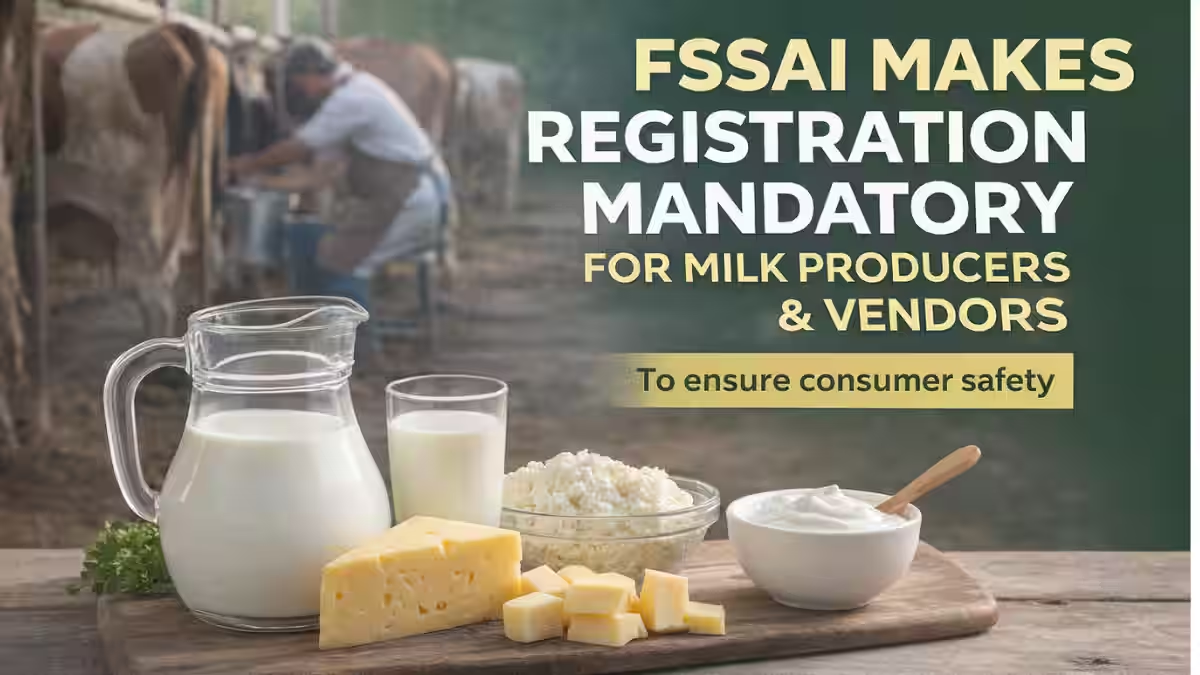
In a strong move to ensure food safety and protect consumers, the Food Safety and Standards Authority of India (FSSAI) has made it mandatory for all milk Learn More.....
🥛 FSSAI Makes Registration Mandatory for Milk Vendors: A Major Step to Curb Adulteration
Introduction
In a strong move to ensure food safety and protect consumers, the Food Safety and Standards Authority of India (FSSAI) has made it mandatory for all milk vendors and dairy operators to obtain proper registration or licensing.
This decision comes amid growing concerns over milk adulteration and unregulated dairy supply chains across India. The new enforcement drive aims to bring every player in the milk ecosystem under a formal compliance structure, ensuring safer and higher-quality dairy products for consumers.
📰 What’s the Latest Update?
The Food Safety and Standards Authority of India has launched a nationwide initiative requiring:
- All independent milk vendors
- Small dairy operators
- Local milk suppliers
to register under FSSAI or obtain a valid license.
Authorities have started inspections and awareness drives to ensure that unregistered vendors comply with food safety regulations. This move is being widely discussed as a major step toward eliminating adulterated milk from the market.
⚠️ Why This Step Was Necessary
Milk is one of the most consumed food products in India. However, cases of adulteration—such as dilution with water, chemicals, or synthetic substances—have raised serious health concerns.
The government introduced this rule to:
- Prevent unsafe and adulterated milk supply
- Ensure traceability in the dairy chain
- Improve quality monitoring and inspections
- Protect consumer health
By making registration mandatory, authorities can now track and regulate vendors more effectively.
📋 What Does This Mean for Milk Vendors?
All milk vendors must now:
✔ Obtain FSSAI Registration or License
✔ Follow hygiene and safety standards
✔ Maintain basic records of supply and distribution
✔ Cooperate with inspections by authorities
Failure to comply may lead to:
- Fines and penalties
- Business closure
- Legal action under food safety laws
🏭 Impact on the Dairy Industry
This regulation will impact a wide range of stakeholders:
- Local milk sellers
- Dairy farms
- Milk distributors
- Small-scale vendors
- Milk-based product manufacturers
While it may seem like an added responsibility, this move will ultimately help businesses:
✅ Build consumer trust
✅ Improve product quality
✅ Expand into formal markets
✅ Avoid legal risks
🚀 Benefits for Consumers
For consumers, this is a highly positive development.
- Better quality milk
- Reduced risk of adulteration
- Safer consumption
- Increased transparency in the supply chain
This step strengthens India’s food safety ecosystem and aligns with global quality standards.
📊 Role of Certifications in Food Safety
With stricter regulations in place, certifications are becoming essential for food businesses. Apart from FSSAI registration, businesses may also require:
- GST Registration
- Trademark Registration (for dairy brands)
- BIS Certification (for equipment/products)
- Import Export Code (for exporters)
Compliance is no longer optional—it is a necessity for sustainable business growth.
💼 How CertifyKaro Can Help
For small vendors and dairy businesses, navigating compliance requirements can be challenging.
CertifyKaro.com simplifies this process by offering:
- FSSAI Registration & Licensing
- GST Registration
- Trademark Filing
- BIS Certification
- Complete Compliance Support
With expert guidance, businesses can become compliant quickly and focus on growth without legal worries.
✅ Conclusion
The decision by the Food Safety and Standards Authority of India to make registration mandatory for milk vendors is a crucial step toward ensuring food safety and eliminating adulteration in India.
While it introduces stricter compliance requirements, it also creates opportunities for businesses to build trust, improve quality, and operate legally in a competitive market.
For dairy vendors and food businesses, this is the right time to get registered, stay compliant, and grow responsibly.
#FSSAI#FSSAIRegistration#FoodSafetyIndia#MilkAdulteration#FoodCompliance#DairyBusiness#StartupIndia#LegalCompliance#FoodBusinessIndia#CertifyKaro