Inflation and interest rates share one of the most powerful relationships in global finance. As inflation shows signs of easing in major economies like the United States, expectations Learn More......
Inflation vs. Rate Cuts: How Central Bank Decisions Impact Markets in 2026
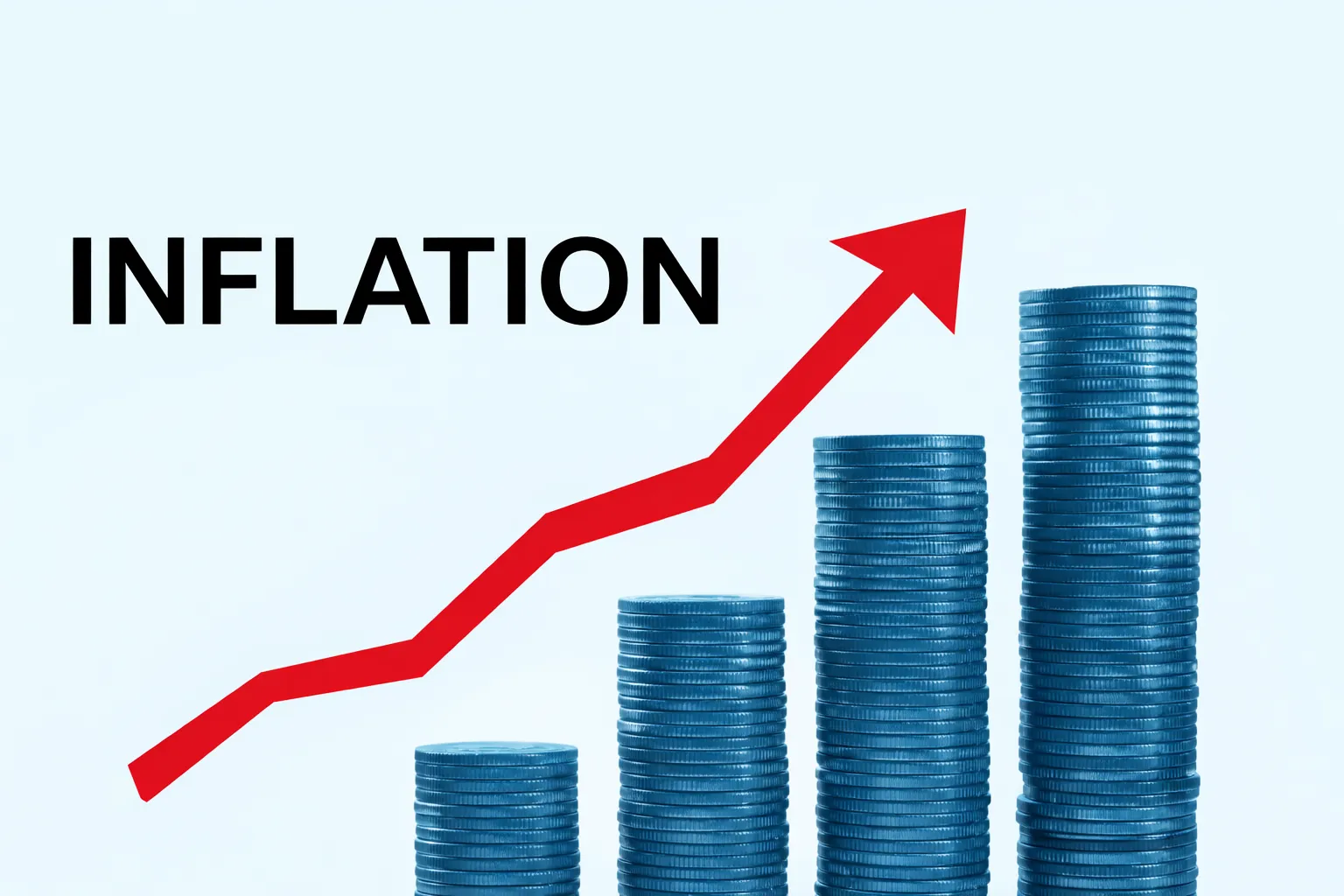
Inflation and interest rates share one of the most powerful relationships in global finance. As inflation shows signs of easing in major economies like the United States, expectations are rising that central banks — especially the Federal Reserve — may begin cutting interest rates in 2026.
But what does this really mean for investors? And how do rate cuts affect equities, bonds, and commodities?
Let’s break it down.
Understanding the Inflation–Interest Rate Connection
Central banks use interest rates as a primary tool to control inflation.
- 🔺 High Inflation? → Central banks raise interest rates to slow spending.
- 🔻 Falling Inflation? → Central banks consider cutting rates to stimulate growth.
When inflation declines toward target levels, policymakers get room to reduce borrowing costs — encouraging businesses to invest and consumers to spend.
Why Rate Cuts Matter So Much
Interest rates influence almost every financial asset class. Even small policy shifts can trigger large market movements.
1️⃣ Impact on Stock Markets (Equities)
When rate cuts are expected:
- Borrowing becomes cheaper for companies.
- Corporate profits may improve.
- Investor sentiment turns positive.
Lower rates also make fixed-income returns less attractive, pushing investors toward equities. Historically, markets often rally in anticipation of rate cuts — not just after they happen.
However, if rate cuts happen because of a weak economy, markets can remain volatile.
2️⃣ Impact on Bonds
Bond markets react immediately to rate expectations.
- When rates fall → Existing bond prices rise.
- When rates rise → Bond prices fall.
If the Fed signals easing, bond yields typically decline. Long-duration bonds benefit the most during rate-cut cycles.
This makes bonds attractive during monetary easing phases.
3️⃣ Impact on Commodities (Gold, Oil & More)
Lower interest rates can:
- Weaken the US dollar.
- Increase liquidity in the financial system.
- Boost demand for risk assets and commodities.
For example, gold often performs well during rate-cut cycles because:
- Lower yields reduce the opportunity cost of holding non-interest-bearing assets.
- Dollar weakness supports commodity prices.
Oil and industrial metals may also benefit if rate cuts stimulate economic growth.
The 2026 Scenario: What’s Happening Now?
Recent data suggests inflation in major economies is moderating. As price pressures ease, markets are pricing in possible rate cuts later this year.
But central banks remain cautious. Policymakers want to ensure inflation is sustainably under control before shifting to aggressive easing.
This creates a delicate balance:
- Cut too early → Inflation may return.
- Cut too late → Economic slowdown risk increases.
What Should Investors Do?
✅ Diversify Across Asset Classes
Since rate cuts affect stocks, bonds, and commodities differently, diversification remains key.
✅ Watch Inflation Data Closely
Monthly CPI and core inflation figures are now major market-moving indicators.
✅ Focus on Quality Stocks
Companies with strong balance sheets tend to perform better in uncertain rate environments.
✅ Consider Duration in Bonds
If rate cuts seem likely, increasing exposure to longer-duration bonds may be beneficial.
Final Thoughts
The battle between inflation and rate cuts is shaping global financial markets in 2026. As inflation cools, the possibility of easing monetary policy is becoming stronger — but uncertainty remains.
For investors, understanding how interest rate cycles influence different asset classes is crucial. Whether you invest in equities, bonds, or commodities, central bank decisions will remain the biggest market driver this year.
Staying informed, disciplined, and diversified is the smartest strategy in a rate-sensitive environment.
#GSTRegistration #GSTCompliance #GSTServices #BusinessCompliance #MSMESupport #StartupIndia #EaseOfDoingBusiness #TaxConsultancy #IndirectTax #IndiaBusiness #EntrepreneurIndia #SmallBusinessIndia #CAServices #TaxAwareness #BusinessGrowth