BIS Certification has become one of the most important compliance requirements for manufacturers, importers, and sellers in India. In 2025, the Government Learn More.......
BIS Certification 2025: Latest Mandatory Compliance Updates
Introduction
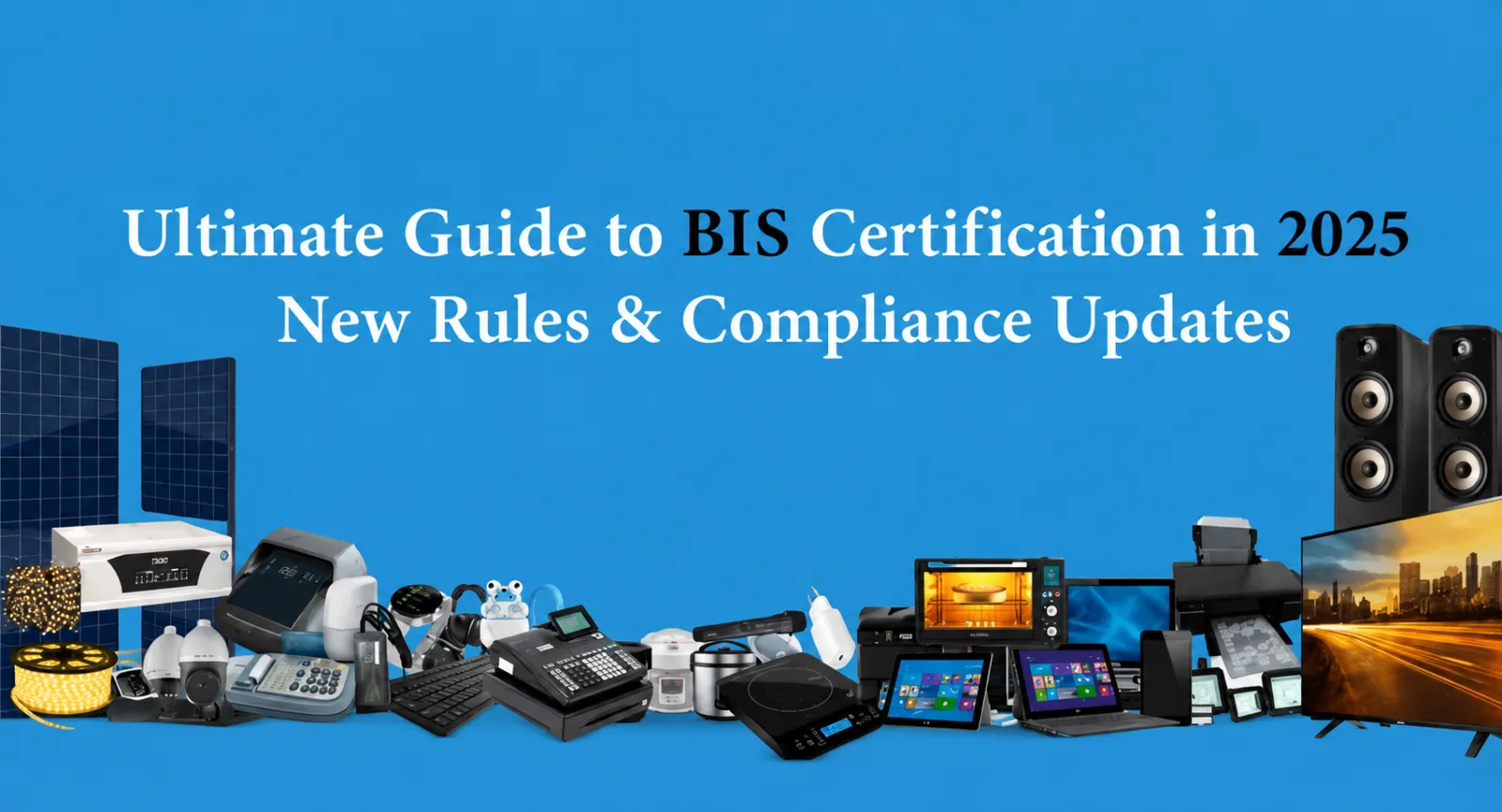
BIS Certification has become one of the most important compliance requirements for manufacturers, importers, and sellers in India. In 2025, the Government of India continues to expand Quality Control Orders (QCOs), making BIS certification mandatory for a growing number of products, including electronics, appliances, industrial goods, and consumer products.
Recent regulatory developments have increased scrutiny on imported goods and domestic manufacturing quality standards. Businesses that fail to comply with BIS requirements may face penalties, product seizures, import restrictions, or market access issues.
Whether you are a manufacturer, importer, startup, MSME, or exporter, understanding BIS certification requirements is essential for legal compliance and business growth. This guide explains the latest BIS certification trends, eligibility criteria, benefits, and application process in simple terms.
Official BIS Portal:
https://www.bis.gov.in
Why BIS Certification Is Becoming More Important in 2025
The Bureau of Indian Standards (BIS) is India's national standards body responsible for ensuring product quality, safety, and reliability.
Latest BIS Compliance Trends
The government is increasingly introducing mandatory Quality Control Orders (QCOs) across industries to improve product quality and protect consumers.
Products commonly requiring BIS certification include:
- Electronics and IT products
- Mobile accessories
- LED lighting products
- Household appliances
- Steel products
- Chemicals
- Toys
- Industrial machinery
Benefits of BIS Certification
✔ Legal compliance
✔ Consumer trust
✔ Improved product quality
✔ Easier market access
✔ Better brand reputation
✔ Reduced compliance risks
Many businesses are obtaining BIS certification proactively to avoid regulatory challenges and improve competitiveness.
Internal Resources
- ISO Certification Services
- MSME Registration Services
- Import Export Code (IEC) Registration
What Happens If a Product Requires BIS Certification But Doesn't Have It?
This is one of the most searched questions by importers and manufacturers.
When a product falls under mandatory BIS certification requirements, selling or importing non-certified products may lead to serious consequences.
Risks of Non-Compliance
❌ Product seizure
❌ Import restrictions
❌ Regulatory penalties
❌ Market withdrawal
❌ Loss of customer confidence
Why Authorities Are Increasing Enforcement
The government's objective is to:
- Improve product quality
- Enhance consumer safety
- Prevent substandard imports
- Support Make in India initiatives
- Strengthen manufacturing standards
How BIS Protects Consumers
✔ Ensures quality benchmarks
✔ Reduces defective products
✔ Improves product safety
✔ Enhances manufacturing accountability
✔ Promotes fair competition
Businesses should regularly monitor new Quality Control Orders because additional products are being added to mandatory certification lists.
Official QCO Updates:
https://dpiit.gov.in
How to Apply for BIS Certification: Step-by-Step Process
Obtaining BIS certification requires careful documentation and product testing.
Step 1: Identify Product Category
Determine whether your product falls under mandatory BIS requirements.
Step 2: Select Applicable Indian Standard (IS)
Each product category is governed by a specific BIS standard.
Step 3: Product Testing
Products must be tested at BIS-recognized laboratories.
Step 4: Prepare Documentation
Required documents may include:
- Business registration certificate
- Manufacturing license
- Product specifications
- Test reports
- Factory details
Step 5: Submit BIS Application
Apply through the BIS online portal.
Step 6: Factory Inspection
BIS officials may inspect manufacturing facilities.
Step 7: Grant of Certification
After successful verification, certification is issued.
BIS Certification Checklist
✅ Product specifications
✅ Manufacturing details
✅ Test reports
✅ Business registration documents
✅ Factory information
✅ Compliance declarations
Latest BIS Certification News Businesses Should Know
Recent compliance updates indicate that authorities are expanding mandatory certification requirements for:
- Electronic devices
- Smart products
- Consumer appliances
- Industrial components
- Imported goods
The government's focus on product quality and consumer safety means businesses must remain proactive in maintaining compliance.
Organizations that obtain BIS certification early often experience fewer regulatory issues and stronger market credibility.
FAQ Section
What is BIS Certification?
BIS Certification confirms that a product complies with Indian quality and safety standards.
Is BIS Certification mandatory?
For many products covered under Quality Control Orders, BIS certification is mandatory.
Who needs BIS Certification?
Manufacturers, importers, brand owners, and sellers of regulated products.
How long does BIS certification take?
Typically between 20–60 days depending on product category and testing requirements.
Can imported products require BIS certification?
Yes. Many imported products must obtain BIS approval before entering the Indian market.
SEO Keywords Used
BIS Certification, BIS Registration, Bureau of Indian Standards, BIS Certificate India, BIS Compliance, Quality Control Order, BIS Approval, Product Certification India, BIS Certification Process, BIS for Importers, Mandatory BIS Certification, Product Testing India, BIS Registration Online, BIS Consultant India, BIS Standards
CTA
Need BIS Certification for Your Products?
CertifyKaro se contact karo for complete BIS Certification assistance and documentation support.
📞 Call/WhatsApp: +91 70422 52542
✔ BIS Registration Support
✔ Product Compliance Guidance
✔ Documentation Assistance
✔ End-to-End Certification Process
#BISCertification #BISRegistration #BureauOfIndianStandards #ProductCompliance #QualityControlOrder #ManufacturingIndia #ImportExport #BusinessCompliance #ProductCertification #MakeInIndia #MSMEIndia #StartupIndia #CertificationServices #QualityStandards #CertifyKaro